

Maximize Your Training with Mitt Work
Mitt Work
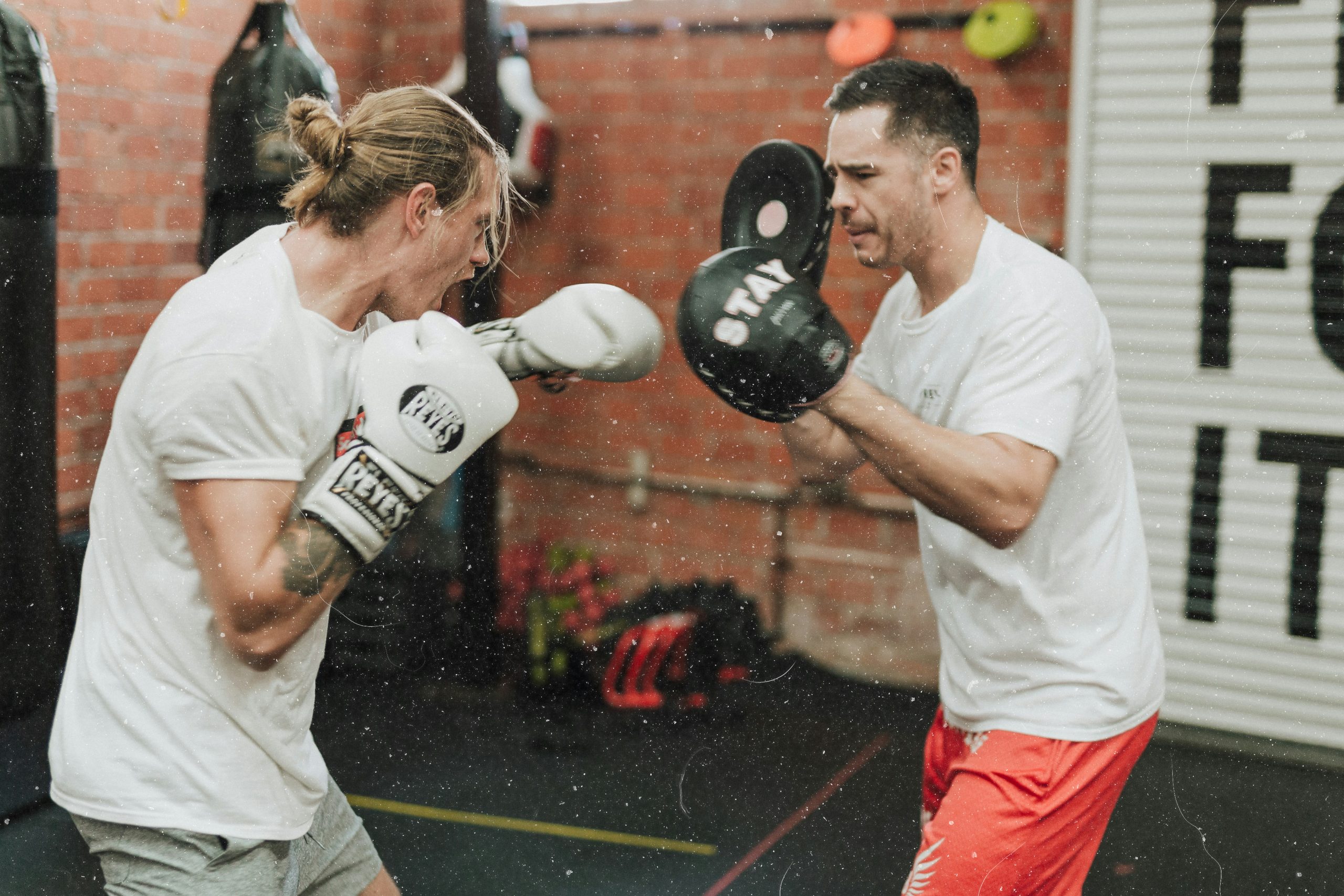
Mitt work, often called pad work, remains one of the most effective training tools in boxing. It combines technique, timing, defense, footwork, conditioning, and communication into one fast-paced workout. While heavy bag training develops power and sparring builds fight experience, mitt work connects the two by creating realistic, reactive situations.
When fighters approach mitt work with focus and purpose, they can dramatically improve their overall performance. However, careless or flashy pad sessions often reinforce bad habits instead of building skill. Therefore, to get the most from mitt work, you need structure, discipline, and a clear training objective.
Understand the Purpose of Mitt Work
First and foremost, mitt work trains much more than punching combinations. A quality session improves:
- Accuracy
- Timing
- Coordination
- Defensive reactions
- Ring awareness
- Conditioning
- Communication
Unlike hitting a stationary heavy bag, mitt work forces you to react to movement and cues from a partner or coach. As a result, every exchange becomes dynamic and unpredictable, which closely resembles real fight situations.
Great fighters such as Floyd Mayweather Jr. used mitt work not only to sharpen offense, but also to improve defensive instincts, rhythm, and fight IQ. Consequently, serious fighters often treat mitt sessions as one of the most important parts of training camp.
Focus on Accuracy Before Speed
One of the most common mistakes during mitt work is chasing hand speed while neglecting technique.
Although fast combinations may look impressive, sloppy punches create bad habits and reduce effectiveness. Instead of rushing, focus on landing every punch cleanly and precisely.
Maintain Proper Technique
Each punch should include:
- Correct hand position
- Full extension
- Proper hip rotation
- Balance and control
- Quick return to guard
In addition, accurate punching translates far better to real boxing situations than uncontrolled speed. Mitt work gives you moving targets, so use that opportunity to improve precision and hand-eye coordination.
Over time, clean and technically sound punches naturally become faster. Therefore, mastering technique first creates a much stronger foundation for long-term development.
Build Strong Communication With Your Pad Holder
Mitt work works best when both people stay fully engaged. In other words, the drill should feel like a conversation rather than a one-sided routine.
Listen and React
A skilled coach or pad holder will:
- Call combinations
- Create defensive situations
- Adjust pacing
- Correct mistakes
- Simulate realistic attacks
At the same time, you must stay alert and responsive. Listen carefully for verbal instructions and pay attention to visual cues.
Canelo Álvarez demonstrates excellent communication during mitt sessions because every movement serves a purpose. As a result, his timing and reactions appear smooth and controlled inside the ring.
Incorporate Footwork Into Every Session
Many fighters forget about footwork during mitt work. However, proper movement remains essential for effective boxing.
Keep Your Feet Active
Use mitt drills to practice:
- Stepping in behind the jab
- Pivoting after combinations
- Creating angles
- Maintaining balance
- Moving laterally
Meanwhile, your hands and feet should work together at all times. Strong footwork allows punches to flow naturally while keeping you balanced and defensively responsible.
Furthermore, a quality mitt session should simulate realistic fight movement rather than keeping you stationary. This helps bridge the gap between technical drills and actual sparring.
Train Defensive Reactions
Mitt work also provides an excellent opportunity to improve defense. Skilled pad holders often simulate counters with the mitts, forcing you to react immediately after punching.
Practice Defensive Movements
After combinations, work on:
- Slipping punches
- Rolling under hooks
- Blocking shots
- Pulling back
- Stepping off at angles
As these movements become more natural, your overall defense improves significantly.
Legendary defensive fighters like Pernell Whitaker mastered fluid movement and defensive awareness through countless repetitions of reactive drills. While mitt work alone will not create elite defense overnight, it certainly helps build the necessary instincts.
Add Variety to Your Training
Repeating basic combinations helps beginners develop rhythm and coordination. However, advanced fighters need more complexity and variation.
Mix Up Your Drills
To maximize development, include:
- Different punch combinations
- Tempo changes
- Counterpunching drills
- Rope escape scenarios
- Pressure-fighting situations
- Defensive reaction sequences
In addition, varied training keeps your mind engaged and prevents workouts from becoming repetitive. More importantly, it develops a complete and adaptable skill set.
Control the Intensity
Not every mitt session should feel like a championship fight. Instead, different training goals require different levels of intensity.
Balance Technique and Conditioning
Some rounds should emphasize:
- Precision
- Timing
- Mechanics
- Defensive awareness
Meanwhile, other rounds can focus on:
- Speed
- Conditioning
- Explosive combinations
- Fight pacing
High-intensity rounds improve cardio and mental toughness. On the other hand, slower rounds allow you to refine technique without rushing.
By balancing both approaches, you improve steadily while reducing the risk of burnout and bad habits.
Use Mitt Work to Improve Timing
Timing separates good fighters from great fighters. Fortunately, mitt work develops timing because you constantly react to your coach’s rhythm and movements.
Learn to Read Openings
During sessions, focus on:
- Recognizing opportunities
- Throwing at the correct moment
- Reacting to movement
- Countering effectively
Gradually, your reactions become more instinctive. Instead of forcing combinations, you begin to understand when to attack and when to remain patient.
As a result, your boxing becomes more efficient and controlled.
Stay Mentally Engaged
Mitt work should challenge your mind just as much as your body.
Think During Every Combination
Do not throw punches mechanically. Instead, understand the purpose behind each sequence.
Ask yourself:
- Am I setting up a power shot?
- Am I creating an angle?
- Am I practicing counters?
- Am I breaking through a guard?
The more actively you think during training, the more transferable your skills become during sparring and competition.
Additionally, mental engagement helps improve focus, reaction speed, and decision-making under pressure.
Train Consistently
Consistency drives improvement. Unfortunately, occasional mitt sessions rarely produce major progress.
Build Regular Practice Habits
Short, focused sessions performed consistently produce better long-term results than infrequent, exhausting workouts.
Over time, regular mitt work improves:
- Muscle memory
- Reaction speed
- Technique
- Coordination
- Confidence
As these skills develop, your overall boxing ability becomes sharper and more reliable.
Work With a Skilled Pad Holder
Finally, the quality of your pad holder significantly affects your progress.
Why Coaching Matters
An inexperienced holder may:
- Provide poor timing
- Hold mitts incorrectly
- Give unclear cues
- Reinforce bad habits
In contrast, a skilled coach understands how to challenge you while maintaining proper technique and structure.
Good pad holders know when to increase intensity, when to slow things down, and how to tailor drills to your individual needs. Therefore, choosing the right training partner can dramatically improve the effectiveness of your mitt work.
Conclusion
Ultimately, mitt work remains one of the most versatile and valuable tools in boxing training. When approached with focus and intention, it sharpens technique, improves timing, strengthens defense, and develops overall ring awareness.
By prioritizing precision over speed, incorporating movement and defense, maintaining strong communication, and staying mentally engaged, fighters can turn every mitt session into meaningful progress.
Elite boxers such as Floyd Mayweather Jr., Canelo Álvarez, and Pernell Whitaker all demonstrated the importance of detail-oriented training throughout their careers.
Although mitt work may seem simple on the surface, it becomes one of the most powerful ways to elevate your boxing skills when performed correctly and consistently.