How To Start Boxing For Beginners
How to start boxing
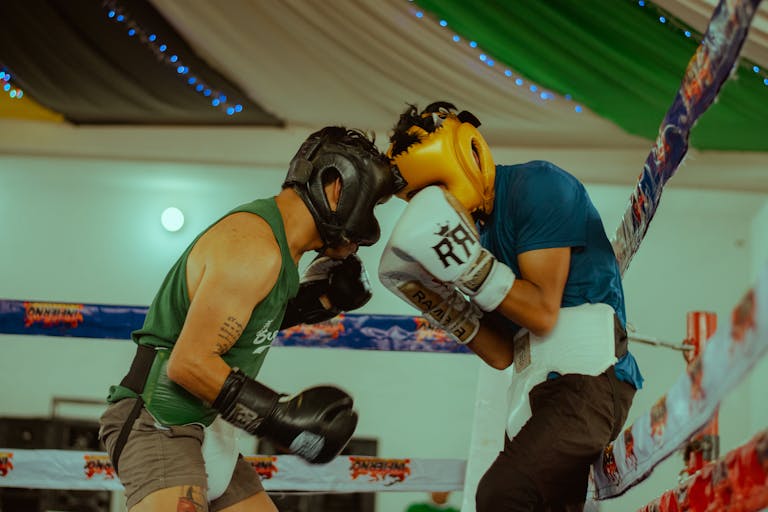
Boxing is one of the best workouts for improving fitness, building confidence, and increasing mental toughness. If you are wondering how to start boxing, it also helps beginners develop discipline, coordination, and self-defense skills. Whether you want to train competitively or simply stay in shape, boxing offers an effective and exciting way to reach your goals.
However, many beginners feel intimidated when they first start boxing. They often wonder what gear they need, how to throw punches correctly, and how to train safely. Fortunately, learning boxing becomes much easier when you follow a structured plan.
In this guide, you will learn how to start boxing for beginners step by step. You will also discover essential techniques, beginner workouts, and training tips that can help you improve quickly.
Why Boxing Is a Great Workout for Beginners
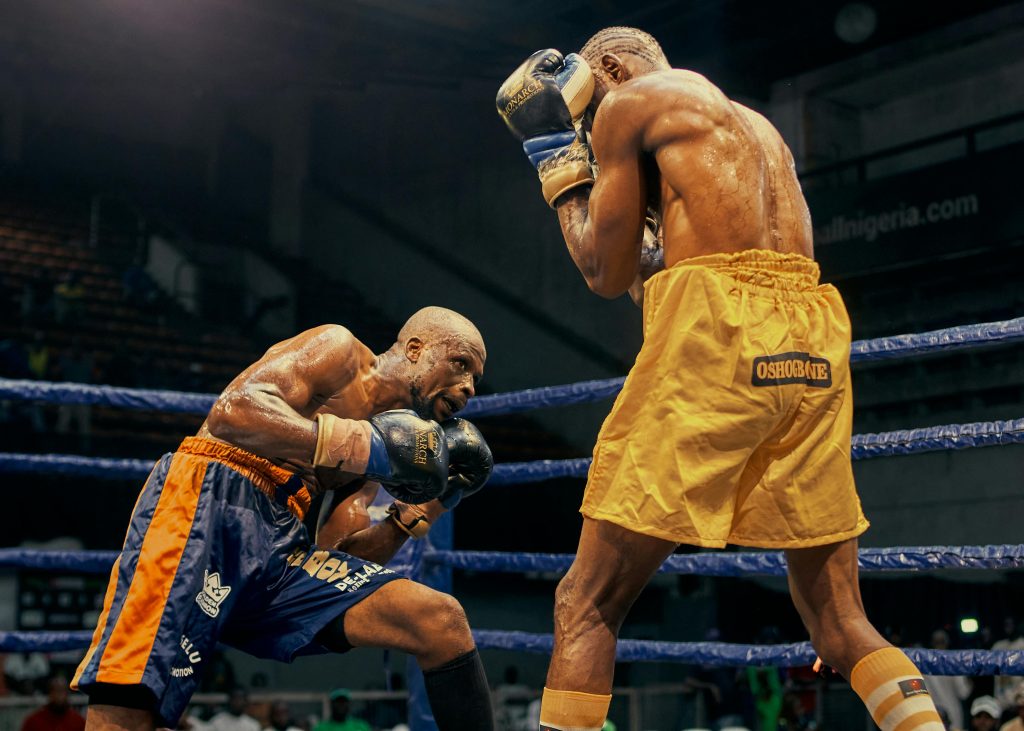
Boxing combines cardio, strength training, agility, and endurance into one powerful workout. Unlike many traditional fitness programs, boxing constantly challenges both your body and your mind.
Additionally, boxing burns calories efficiently while improving balance and coordination. As a result, many people use boxing workouts for weight loss and overall fitness improvement.
Another major advantage is stress relief. Punching a heavy bag and practicing combinations can help reduce tension and improve focus. Furthermore, boxing training increases confidence because you continuously develop new skills and improve your physical abilities.
Most importantly, boxing is suitable for nearly every fitness level. Beginners can start slowly and increase intensity over time.
Essential Boxing Gear for Beginners
Before starting your boxing journey, you need the right equipment. Proper gear improves safety and helps you train more effectively.
Boxing Gloves
Boxing gloves protect your hands and wrists during workouts. Beginners usually benefit from 12 oz or 14 oz gloves because they provide enough padding for heavy bag training and partner drills.
Hand Wraps
Hand wraps stabilize your wrists and protect your knuckles. Since boxing places pressure on small hand bones, wraps help prevent injuries during training.
Boxing Shoes
Although running shoes work temporarily, boxing shoes improve movement and balance. Consequently, they help beginners develop better footwork.
Jump Rope
Jump rope training improves endurance, timing, coordination, and rhythm. In fact, many professional fighters use jump rope exercises every day.
Heavy Bag
A heavy bag allows beginners to practice punches, combinations, and conditioning at home. It also helps improve punching accuracy and stamina.
Once you have the proper equipment, you can begin learning the fundamentals of boxing.
Learn the Proper Boxing Stance
A proper stance is the foundation of boxing. Without balance and positioning, your punches lose power and your defense becomes weak.
If you are right-handed, follow these steps:
- Place your left foot forward
- Keep your right foot behind
- Bend your knees slightly
- Keep your hands up near your face
- Tuck your chin down
Meanwhile, left-handed boxers typically use a southpaw stance with the opposite positioning.
Your stance should feel stable but relaxed. Additionally, you should stay light on your feet so you can move quickly during training.
Beginners often rush past stance practice. However, mastering this basic position improves every aspect of boxing.
Basic Boxing Footwork for Beginners
Many beginners focus entirely on punching. However, experienced fighters understand that footwork is equally important.
Good footwork helps you:
- Maintain balance
- Control distance
- Avoid punches
- Create angles for attacks
- Move efficiently around opponents
When moving forward, step with your lead foot first and follow with your back foot. Similarly, when moving backward, move your rear foot first.
Additionally, avoid crossing your feet because this reduces balance and mobility.
At first, boxing footwork may feel awkward. Nevertheless, consistent practice quickly improves coordination and movement speed.
How to Throw Basic Boxing Punches
Every beginner should master the four fundamental punches before learning advanced combinations.
The Jab
The jab is the most important punch in boxing because it creates distance, controls opponents, and sets up combinations.
To throw a jab correctly:
- Extend your lead hand straight forward
- Rotate your fist slightly
- Snap the punch quickly
- Return your hand to guard position immediately
Since the jab is fast and versatile, beginners should practice it regularly.
The Cross
The cross is a straight rear-hand punch that generates significant power.
While throwing the cross:
- Rotate your hips and shoulders
- Pivot your rear foot
- Keep your opposite hand protecting your face
Proper body rotation increases punching power without wasting energy.
The Hook
Hooks attack from the side and work effectively at close range. To throw a hook properly, keep your elbow bent while rotating your hips sharply.
The Uppercut
Uppercuts travel upward toward the chin or body. Although they require timing, they become dangerous in close-range exchanges.
Instead of focusing on power immediately, beginners should prioritize technique and control.
Beginner Boxing Defense Techniques
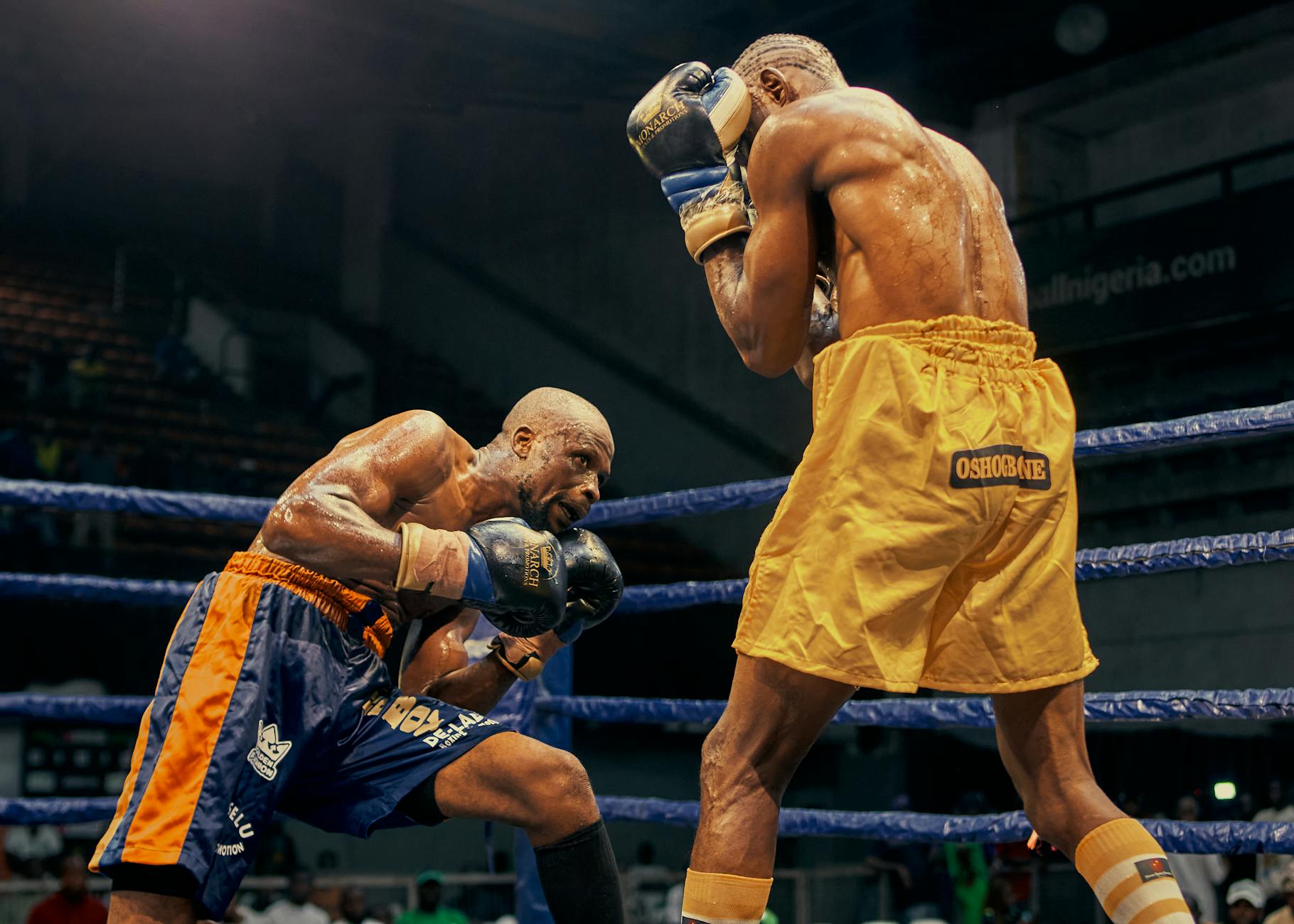
Offense is important, but defense separates skilled boxers from reckless fighters.
Strong defensive habits include:
- Keeping your hands up
- Protecting your chin
- Moving your head
- Blocking punches
- Slipping incoming shots
For example, slipping involves moving your head slightly to avoid straight punches. Meanwhile, rolling helps you evade hooks.
Additionally, defensive training improves reaction time and awareness during sparring.
Beginners who focus on defense early often progress faster because they develop smarter boxing habits.
Beginner Boxing Workout Routine
A structured workout routine helps beginners build endurance, strength, and technique consistently.
Here is a simple beginner boxing workout:
Warm-Up (10 Minutes)
Start with:
- Jump rope
- Dynamic stretching
- Light shadowboxing
Warming up properly reduces injury risk and prepares your body for training.
Shadowboxing (3 Rounds)
Shadowboxing helps beginners improve movement, technique, and coordination without equipment.
Focus on:
- Footwork
- Punch combinations
- Defensive movement
- Proper form
Heavy Bag Training (3–5 Rounds)
Heavy bag workouts improve endurance, punching accuracy, and conditioning.
Practice:
- Jab-cross combinations
- Hooks and uppercuts
- Movement around the bag
- Speed and timing
Conditioning Exercises
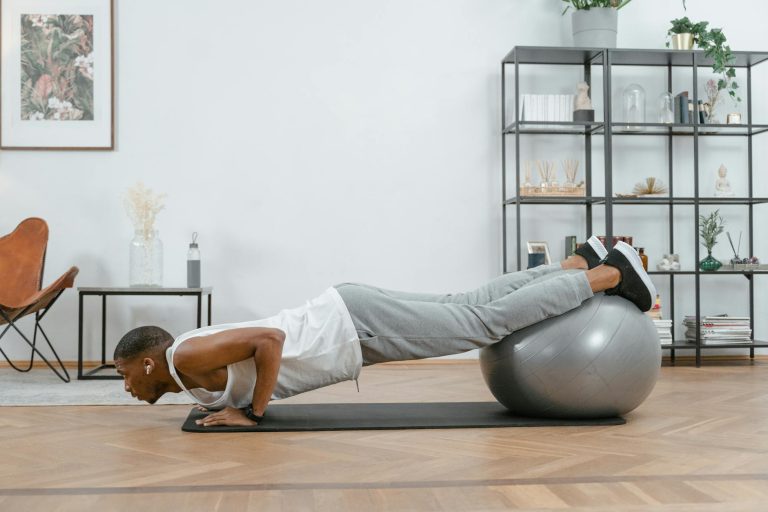
Add bodyweight exercises such as:
- Push-ups
- Squats
- Burpees
- Sit-ups
- Mountain climbers
Conditioning improves stamina and overall athletic performance.
Cool Down
Finally, stretch your muscles to improve flexibility and recovery.
How to Train for Boxing at Home
Not everyone has access to a boxing gym. Fortunately, beginners can still learn boxing at home effectively.
First, create a training schedule that includes:
- Cardio workouts
- Shadowboxing sessions
- Heavy bag training
- Strength exercises
- Recovery days
Additionally, watching instructional videos can help beginners understand proper technique.
However, beginners should focus carefully on form while training alone. Poor habits become difficult to correct later.
If possible, combine home workouts with occasional sessions at a boxing gym for professional guidance.
Common Boxing Mistakes Beginners Should Avoid
Most beginners make similar mistakes during early training. Fortunately, you can improve faster by avoiding these habits.
Throwing Every Punch Too Hard
Many beginners believe power matters most. However, technique and timing are far more important.
Ignoring Footwork
Without proper movement, even strong punches become ineffective. Therefore, footwork deserves regular practice.
Dropping Your Hands
Lowering your hands after punching leaves your face exposed to counterattacks.
Overtraining
Although motivation is important, excessive training can lead to fatigue and injuries. Recovery is essential for improvement.
Skipping Conditioning
Cardio and endurance training play a major role in boxing performance. Without stamina, technique suffers quickly.
Avoiding these mistakes helps beginners progress safely and efficiently.
Nutrition Tips for Boxing Beginners
Nutrition directly affects energy, recovery, and performance during boxing workouts.
Beginners should focus on:
- Lean protein for muscle recovery
- Complex carbohydrates for energy
- Healthy fats for endurance
- Proper hydration throughout the day
Additionally, avoid heavy junk food before workouts because it reduces performance and energy levels.
Eating balanced meals consistently helps beginners recover faster and maintain steady progress.
Final Thoughts on Learning Boxing
Learning boxing takes patience, discipline, and consistent effort. However, the rewards go far beyond physical fitness.
Boxing improves strength, endurance, confidence, focus, and mental toughness. At the same time, it teaches valuable self-defense skills and healthy training habits.
Start with the basics. Practice your stance, footwork, punches, and defense regularly. Then, gradually increase workout intensity as your skills improve.
Most importantly, stay consistent. Even short training sessions produce results when performed regularly.
Whether you train at a boxing gym or practice at home, committing to the process will help you grow stronger both physically and mentally.